
CNC tube bender prices vary widely. Public listings include a small-tube CNC model at USD 16,600–17,400 and a larger, 3-inch-capacity package at USD 248,000. What does that price difference actually buy you?
This guide explains the configurations behind the prices, what raises the equipment cost, and how shipping, tooling and installation affect your startup budget.
CNC Tube Bender Price Examples by Configuration
These November 2026 listings cover different capacities and package contents. For direct price comparisons, get quotes for the same part and service scope.
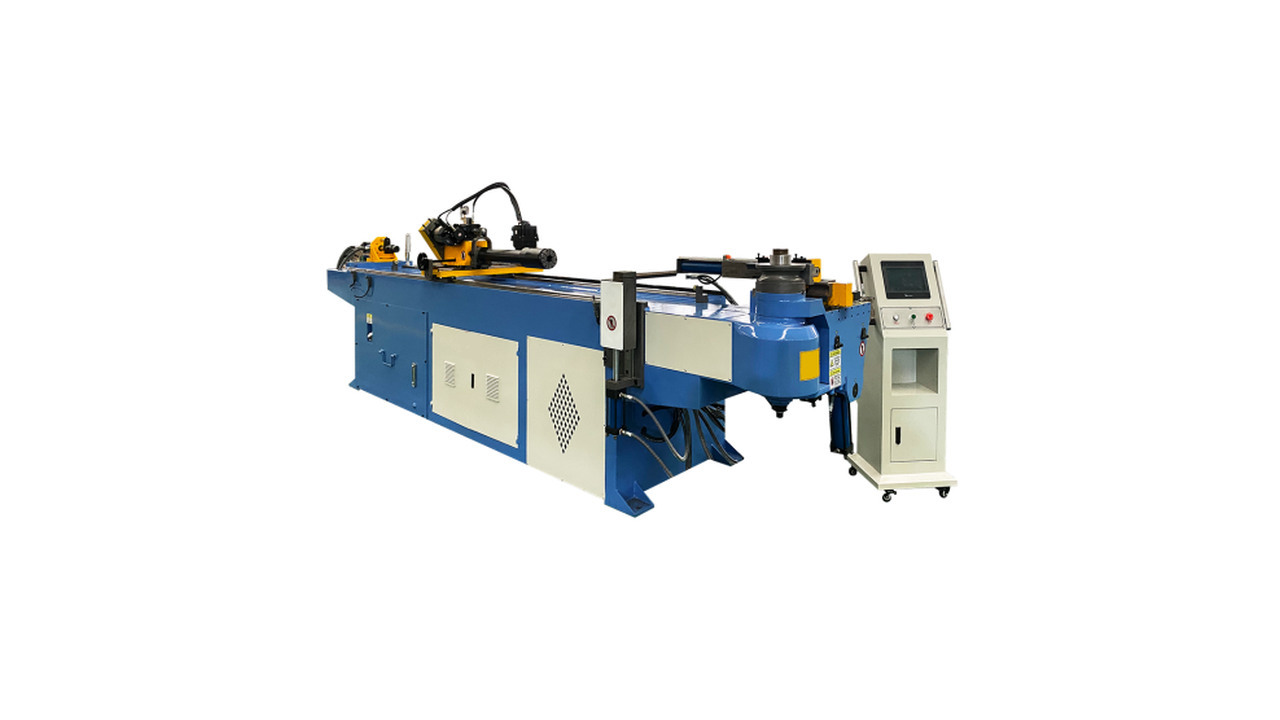
Small-Tube CNC Listing: USD 16,600–17,400
On Made-in-China, a manufacturer lists a small-tube CNC model at USD 16,600–17,400 per machine, FOB, with a minimum order of one machine. Its specification table rates capacity at 18 mm OD × 1.6 mm wall carbon-steel tube and lists servo-controlled bending, feeding and rotation.
That capacity suits a different workload from a machine built for much larger tubing. It also shows why a lower price does not necessarily mean manual positioning. The listing does not define a matched tooling package or priced installation and training. To budget a working setup, include bend dies, clamping and support tooling for your tube sizes and radii, including a mandrel and wiper where the part requires them.
Four-Axis Package with Local Installation: AUD 88,000
An Australian dealer advertises a four-axis CNC machine at AUD 88,000 excluding GST, or AUD 96,800 including GST. Its stated capacity is 50 mm OD × 2 mm wall mild-steel tube. The listed servo drives cover feeding, tube rotation, bending and tooling change.
The package includes one tooling set and delivery and installation in Melbourne. Additional tooling sets cost extra. This example shows why a higher advertised figure may include costs missing from another listing. For your budget, identify the size and radius covered by the included set; additional part families may need more tooling. Delivery outside the stated area needs its own allowance.
Three-Axis Mandrel Bending Package: USD 248,000
A U.S. dealer lists a CNC mandrel bender at USD 248,000, rated for 3-inch OD × 0.120-inch wall mild-steel tube. Its three-axis system combines hydraulic bending and clamping with servo-electric positioning. The package includes a computer, bending simulation and collision-avoidance software, a safety fence and a floor scanner.
Tooling is sold separately. Installation and three days of on-site training are available at additional cost, with no service price shown. The advertised equipment price therefore leaves tooling and startup services to add. It also illustrates why axis count alone does not explain the bill: this three-axis package handles a different load and includes different equipment from the four-axis example above.
For your parts, start with the required material, diameter and wall thickness. Then separate the configuration investments below. A single bend radius, several radii or a tight tolerance does not, by itself, put a machine into a universal price tier.
| Production requirement | Configuration investment | What the added cost buys |
|---|---|---|
| One fixed radius, with hand loading keeping up with production | Required bending capacity, CNC positioning and matched tooling | The ability to make the part without paying for handling that does not increase output |
| Several fixed radii on the same part | Suitable multi-stack tooling and tooling-selection movements | Fewer manual die changes during the bending sequence |
| Larger tubes, thicker walls or stronger material | Drives, clamping and structure sized for the bending load | Capacity to process the specified material and section |
| Tight assembly tolerances over repeat batches | Suitable positioning components, trial bending and dimensional checks | Evidence that finished parts stay within the drawing tolerances |
| The machine waits for manual loading between cycles | Loading and unloading equipment, safety controls and integration | Less waiting between parts, where handling is the output bottleneck |
What Affects the Price of a CNC Tube Bender?
Machine Type and Automation
For CNC tube bending equipment, automating more of the handling generally raises the equipment price. Automatic feeding and rotation move a tube after it has been loaded. An automatic loader adds the equipment needed to pick and place the next tube.
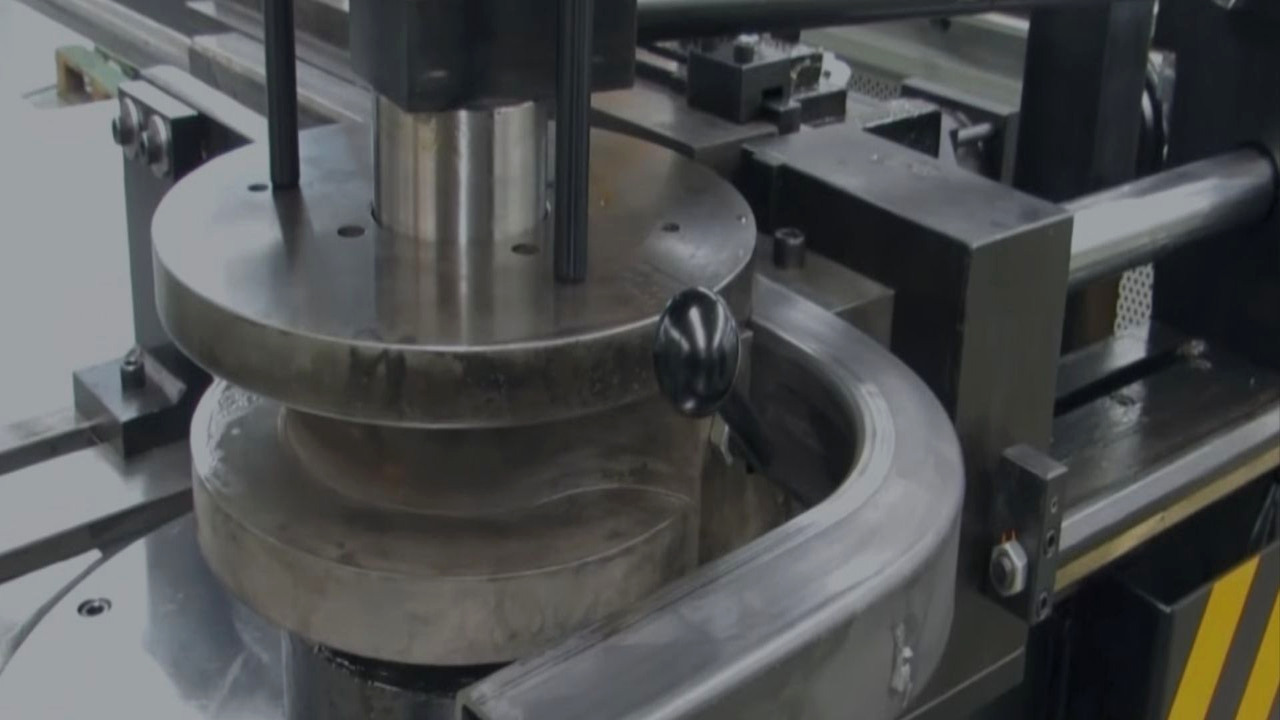
| Control and automation scope | Main cost items |
|---|---|
| Semi-automatic or partly controlled operation | Drives and controls for selected movements, with some positioning or handling done manually. |
| CNC bending with automatic feeding and rotation | Feed and rotation drives, positioning devices and controls for the bending sequence. |
| CNC bending with automatic loading and unloading | Loading racks, transfer devices or robots, plus safety equipment and integration. |
A loader for longer or heavier tubes needs handling equipment sized for that load, plus controls and safety integration. These add to the purchase and commissioning budget.
If hand loading already keeps up with your batches, a loader may do little to increase output. If the bender often waits for the operator to load the next tube, automatic handling becomes a more useful investment.
Tube Diameter, Wall Thickness and Material
Greater bending loads can raise the price of a CNC tube bending machine. Larger tubes, thicker walls and stronger materials may need more powerful drives, stronger clamping and a larger machine structure.
For example, keeping the diameter the same while increasing wall thickness can increase the force needed to bend the tube. Changing the material grade can change the load again. When pricing a stainless-steel tube bender, use the actual material grade and wall thickness you plan to process.
A small, thin-wall tube may need modest bending force and still require additional tooling for a tight radius. Budget for machine capacity and tooling as separate requirements.
Machine Construction and Component Specifications
A larger frame and bending head generally raise the machine price because they require more material, machining and assembly work. Under heavier bending loads, the structure also needs enough stiffness to limit deflection and keep the tooling aligned.
The guides and transmission that position the tube add cost through component quality, machining and assembly alignment. For heavy sections, prioritize a structure rated for the working load. Extra weight on its own does not show that a machine will position your parts more accurately.
Drive System
Larger drives and more precise positioning components can raise the machine price even when the axis count stays the same. A hydraulic tube bending machine with servo-electric feeding and rotation needs both a hydraulic power unit and electric positioning components. An all-electric design uses an electric drive for bending as well.
The cost changes with the hydraulic unit’s capacity, the electric drive’s output, the transmission and the position feedback fitted to each movement.
Compare trials using your material, part drawing and matched tooling. Check finished-part dimensions, repeatability through a sustained run, cycle time and the tube sizes and walls the machine can process. An axis-positioning specification describes machine movement; finished-part tolerances also depend on tooling, material springback and setup.
For large, thick-wall tubes, sufficient bending capacity comes first. For repeat batches with tight assembly requirements, extra spending on drive and feedback components is justified when trials show the required dimensions and output throughout the run. A servo or all-electric label alone does not establish that value.
Tooling and Bend Complexity
If your parts use several tube sizes or fixed bend radii, you’ll need a larger tooling budget. In fixed-radius rotary-draw bending, a part with one tube size and two bend radii needs bend dies matched to those radii. A change in tube size can also require different clamping and support tooling.
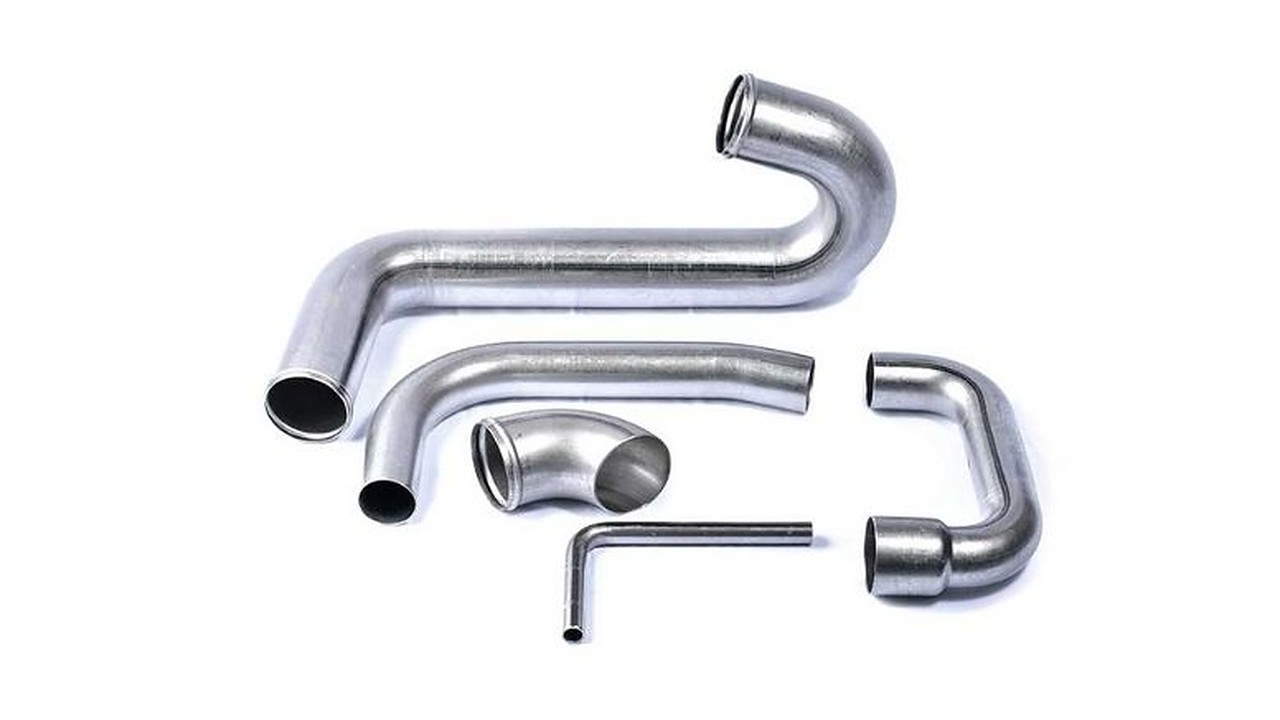
Thin-wall tubes and tight radii can require a mandrel and wiper die. They add manufacturing and setup costs, but support the tube and control wrinkling. Where those defects would make your parts unusable, this tooling is part of producing an acceptable component.
More complex tooling generally costs more, even when the number of sets stays the same. The extra design, machining and trial setup are needed to make the tooling fit the tube and control it through the bend.
Accuracy and Software
Tighter finished-part tolerances can increase spending on calibration, trial bending and measurement. Budget for setting up the bend program and checking the dimensions that control assembly fit.
CAD import and collision simulation can add software and setup costs when they are outside the standard package. They help prepare programs and check whether the tube, tooling and machine can move through the proposed bending sequence. These functions are especially useful when you introduce complex parts or change programs frequently.
Measurement feedback sends dimensional deviations back to the bender so it can correct the program. The budget covers the interface and integration work, plus a measuring device if one is needed. For parts that need repeated dimensional corrections, this can reduce manual adjustments during setup.
What Does Shipping and Installation Cost?
Shipping Costs
Freight depends on the route, shipment date and packed machine size. As a historical example, the November 19, 2026 container benchmarks were USD 7,026 from Shanghai to Los Angeles and USD 8,194 from Shanghai to New York, each per standard 40-foot container. These are separate route benchmarks, not current booking quotes or delivered-to-factory totals.
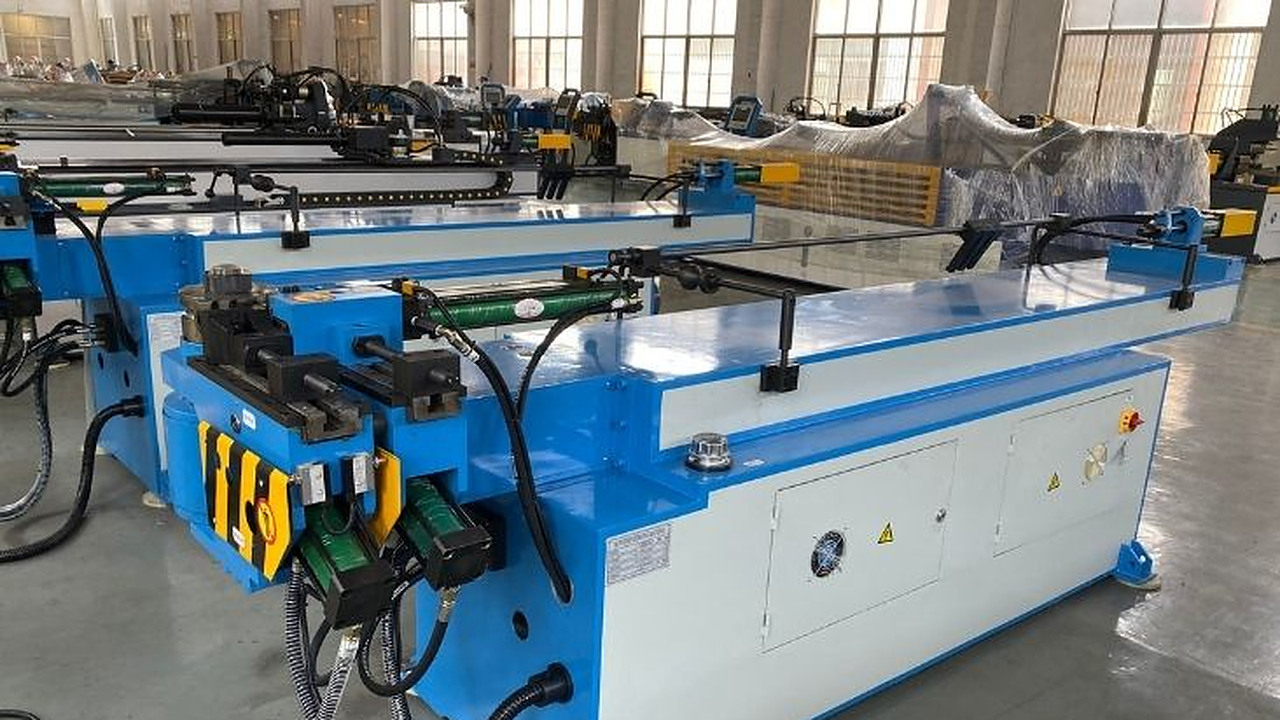
Your packed dimensions and gross weight determine whether a standard container is suitable or an open-top or flat-rack arrangement is needed. Larger or awkward loads can add special handling as well as freight costs. The container benchmarks above are useful only as an illustration; choosing the actual container requires the machine’s packing data.
The sea leg is one part of the route. Collection at origin, packing, insurance, clearance, import charges and delivery from the destination port to your factory can create further bills. Add the items outside the freight package, counting any included port charges only once. For example, the Shanghai–Los Angeles benchmark does not cover inland delivery to your factory.
Installation, Commissioning and Training
Installation may be included in a local equipment package or charged separately with commissioning and training. The Australian package above includes Melbourne delivery and installation. The U.S. package offers installation and three days of on-site training at extra cost. Your startup allowance should follow that service scope rather than a fixed percentage of the machine price.
Unloading and positioning require lifting equipment and access to the installation area. Power connections are another site cost. Commissioning may then include tooling setup, calibration and trial bends, while training covers programming, tool changes and operation.
More part families to set up, a larger integrated cell or longer operator training can extend the time technicians spend on site. Extra days can increase labor and accommodation charges. Preparing power, access and unloading arrangements before their arrival can help avoid paying for waiting time.
Separate the quoted service days from travel, accommodation, site work and trial material. Where installation already covers commissioning or training, count that work once.
What Is the Total Budget to Get the Machine Running?
Your startup budget is the quoted machine-and-tooling package plus the transport, import and site costs that it excludes. A bare-machine listing leaves more to add than a package that includes tooling and local installation.
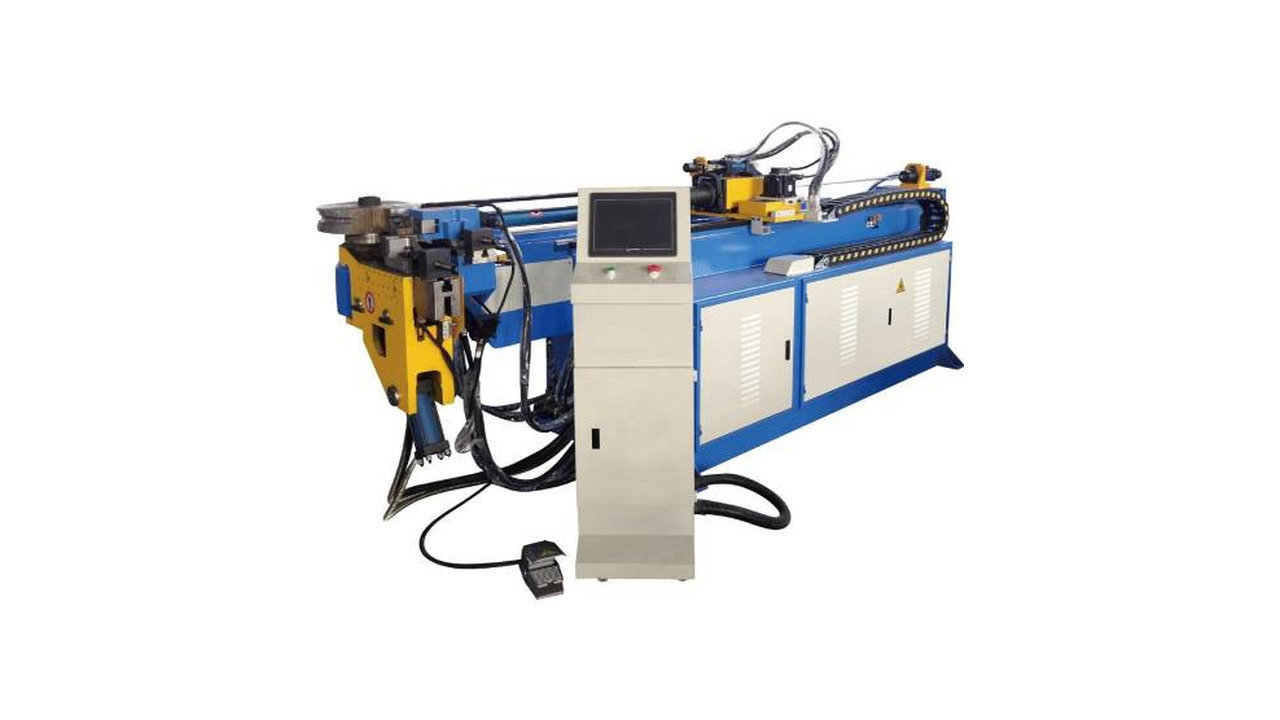
Use the table as a budget worksheet. Enter each charge in the same currency, with the delivery terms and service scope attached.
| Cost item | Amount to enter | What the line must cover |
|---|---|---|
| Machine and agreed tooling | Written package price | Machine configuration, bend dies and clamping and support tooling for the agreed parts |
| Additional tooling | Price of sets outside the package | Extra tube sizes, radii, mandrels or wipers not covered above |
| Freight and handling | Shipment quotation for the packed machine | Packing, collection, sea or land transport, insurance, port charges, customs clearance fees and inland delivery outside the equipment package |
| Import duties and taxes | Destination-specific assessment | Duties and taxes based on the goods classification, origin and destination; separate recoverable tax when assessing cash needs |
| Unloading and site preparation | Local contractor prices | Lifting, positioning, access and required electrical or other site work |
| Installation and commissioning | Service quotation for the agreed work | Technician days, tooling setup, calibration and trial bends not already included |
| Operator training | Price for the agreed training | Programming, tool changes and operation; add only training outside the package |
| Travel, accommodation and trial material | Separately charged amounts | Technician expenses and material used during setup, excluding anything covered above |
Startup budget = the agreed package price + every additional cost in the table. Count included items only once.
Keep recurring costs separate from this startup total. Electricity, operator time, maintenance, tooling wear and any recurring software fees belong in the operating budget. When comparing machines for repeat production, relate those costs to accepted parts produced; a faster cycle brings little saving if setup scrap or handling still limits output.
FAQ
Can changing the part drawing increase tooling costs?
It can. Changes to tube size, profile or bend radius may require new or modified dies. Changes made after tooling manufacture can also add rework costs.
Can software add recurring costs?
Yes, depending on the license and support terms. CAD import, desktop programming, updates and technical support may be included or charged separately. One-time fees belong in the purchase budget, while recurring fees belong in the operating budget.
Will adding automatic loading later involve more than the loader price?
The loader price may be only part of the retrofit cost. A machine interface, control changes, safety integration and commissioning can add further charges.
Final Thoughts
CNC tube bender prices vary with capacity, automation, tooling and accuracy requirements. Your startup budget also needs to cover shipping, import charges and any installation or training outside the equipment package.
If you’re considering a CNC tube bender, contact KDM. We can recommend a suitable configuration based on your production needs and budget.